
In Brief
Selling a home in the Chicago suburbs goes smoothest with about ninety days of preparation. Spend the first month lining up a real estate attorney, who orders the survey, title, mortgage payoffs and any association paperwork, and gathering your permits and records. Use the second month to fix problems you already know about, and the third for decluttering, neutral paint, cleaning and curb appeal before listing photos. Refresh dated rooms rather than remodeling them.
The Work That Pays Off Happens Before the Sign Goes Up
Most of what determines your sale price is decided before a single buyer walks in. Give yourself ninety days. Spend the first month lining up your attorney and gathering your records, the second taking care of what you already know needs attention, and the third on the cosmetic work and photography. Sellers who do this in order sell faster and negotiate from a stronger position than sellers who list first and scramble afterward.
I spent years as a sales manager coaching other agents through listings, and the pattern never changed. The deals that fell apart in the last two weeks almost always traced back to something that could have been handled in the first two. Here is the sequence I use across Glen Ellyn, Wheaton, Geneva and the rest of the western suburbs.
Ninety Days Out: Line Up Your Attorney and Gather Your Records
Here's what surprises people moving in from other states. In the Chicagoland suburbs, the buyer and the seller each hire their own real estate attorney, and your attorney handles most of the paperwork that other states put on the seller. Your job this month is simpler than you think. Pick your attorney, then hand over what you already have.
Don't have a real estate attorney? That's normal. Most people don't. Ask me, and I'll give you the names of real estate attorneys I trust.

- Your plat of survey. Your attorney orders the survey. If you still have your old one and nothing has changed on the property since it was drawn, meaning no new fence, shed, pool, patio or addition, you may be able to use it for the buyers at closing. Find it, give it to your attorney, and let them make that call.
- Permits for past work. If you know permits were pulled for work on your home, go ahead and get copies and give them to your attorney. Permits do come up as questions now and then, whether during negotiations, as part of the contract or during attorney review. You answer honestly: yes, no, or I don't know. If a contractor did the work and you're not sure what they pulled, say that. If nothing you did needed a permit, say that. Your attorney will go over all of this with you and advise you on the best way to handle it. Keep receipts and warranties for work you've done too, because they help answer questions quickly.
- Your disclosure obligations. Illinois requires sellers of residential property to complete the disclosure report under the Residential Real Property Disclosure Act. Separately, the Illinois Radon Awareness Act requires you to provide the state radon pamphlet and disclose known radon hazards or test results. If the home was built before 1978, federal law adds a lead-based paint disclosure.
- Association documents, if you have an association. Your attorney orders these from the HOA when the buyer's side requests them under the contract. Many associations use a third-party company for this, and the fee often runs $200 to $600. That package includes a paid assessment letter showing you're current on dues. If you've paid ahead past the closing date, the overage is prorated back to you at closing. Your attorney does those calculations and sends everything to the title company. Your part is to stay current on assessments and know who manages your association.
- Your mortgage payoff and any liens. Your attorney orders the mortgage payoffs and the title work, then reviews title to make sure you can deliver clear title to the buyers. Make that easy. Give your attorney the lender and account details for every loan on the house, including any home equity line, even one you've paid down to zero.
Sixty Days Out: Take Care of What You Already Know About
Here is the thing about problems you already know about. You are going to pay for them either way. You either handle them on your schedule with your own contractor, or you hand a buyer an inspection report and let them assign a number to it. Their number is always bigger than yours.
That doesn't mean you should go looking for new problems. I don't recommend a pre-listing inspection as a routine step. If an inspector turns up something you didn't know about and don't want to fix, it's now something you have to disclose. If a buyer's inspection finds something later, we deal with it then, during attorney review. The items that come up most often in this area are predictable.
Water, Because This Is Chicagoland
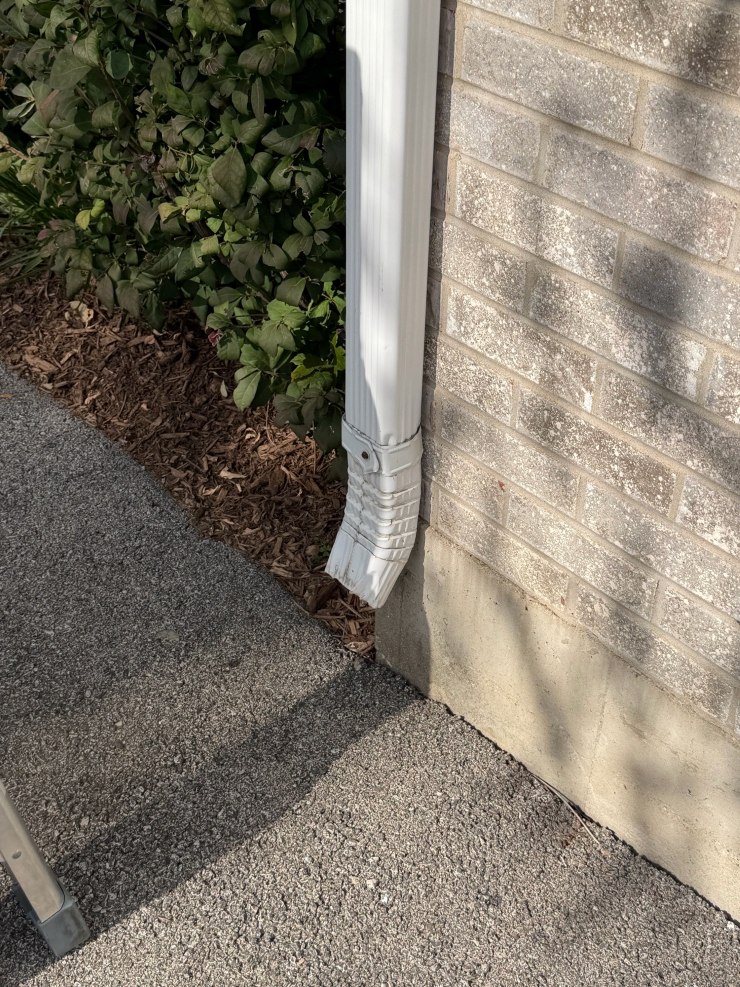
Our clay soil and our storms make water the number one issue in suburban inspections. Check that downspouts discharge well away from the foundation, that grading slopes away from the house, and that the sump pump runs. These are cheap fixes. If you know the basement has taken water, fix the source and keep the paperwork. Buyers here know to look, and a wet basement stain kills more deals than a dated kitchen ever will.
The Mechanical Items Buyers Price Aggressively
Furnace, water heater, roof and electrical panel. If any of these are near the end of their life, you have two honest options: replace it and market it, or price the home acknowledging it. What does not work is hoping nobody notices. Have the furnace serviced and keep the receipt, because a clean service record does real work during negotiation.
The Older-Home Items
If the house predates the 1980s, expect a buyer to order a sewer scope. Clay tile lines and tree roots are common here. If you already know about a sewer problem, talk to me before you list so we can decide together whether to fix it or price for it.
Expect a radon test too. Buyers in DuPage, Will, Kane and Kendall counties order one routinely. If you already have a mitigation system, pull together the installation paperwork and any test results so your attorney and the buyer's side have them in hand.
Thirty Days Out: The Cosmetic Work That Actually Returns
Now the visible work, in the order that matters.
Declutter first, and be more aggressive than feels comfortable. Clear the kitchen counters down to almost nothing. Pull a third of what is in every closet and get it out of the house, because buyers open closets and read a full one as inadequate storage. Take down most of the family photographs.
Then paint. Nothing else returns as reliably. A neutral repaint of the main living areas costs a fraction of what it adds and it makes every listing photograph better.
Then deep clean, including windows, carpets, grout and light fixtures. Then handle the small broken things: the sticking door, the burned-out bulbs, the running toilet, the torn screen. Individually they are nothing. Collectively they tell a buyer the house was not maintained, and that impression shows up in their offer.
Outside, the first ten seconds set the tone. Edge the beds, fresh mulch, trim anything blocking a window, clean the front door and replace the hardware if it is tired. If you are listing in winter, keep the walks and drive genuinely clear, and be honest about what the landscaping will look like, because photos from the wrong season read as evasive.
The Week Before: Photography and Access
Your listing photographs are your showing. Most buyers decide from a phone screen whether your house makes the list. Have the house fully prepared before the photographer arrives, not most of the way there, and shoot on a bright day if you can.
Then make it easy to see. Restricted showing windows cost real money. The homes I have seen sell fastest are the ones a buyer could tour on short notice, because that is when motivated buyers are actually free. If you have pets or a family schedule, build a plan you can live with for three weeks rather than a policy you will resent.
It is also worth watching what is coming to market around you before you finalize a price. Reviewing recent sold listings and the newest homes to hit the market in your area tells you what your buyer is comparing you against.
Refresh, Don't Remodel
A full kitchen or bathroom remodel won't come back to you dollar for dollar. You'll spend the money, live through the mess, and choose finishes for a buyer you haven't met. If the kitchen is dated but functional, pricing it that way is a perfectly good plan.
A refresh is a different story. Painted cabinets, new hardware, updated light fixtures, a new faucet, fresh caulk and grout. Work like that can make a dated kitchen or bath look cared for without a remodel price tag. It's often money well spent.

Here's what I ask every seller. Before you spend a dollar on any of it, call me. I'll walk the house with you and tell you which updates buyers in your price range and neighborhood will actually notice, and which ones you can skip.
A few things are almost never worth it. Do not replace flooring throughout unless it is damaged. Do not add a room. Do not put in a pool. And do not spend money on the basement finish you always meant to do, because that is a project for an owner, not a seller.
The exception is anything that keeps a buyer from getting a loan or an insurance policy. Knob and tube wiring, an unsafe deck, an active roof leak. Those are not cosmetic and they will stop a sale.
Key Takeaways
- Work backward from your listing date and give yourself ninety days.
- The first month is about your attorney. In the Chicagoland suburbs, your attorney orders the survey, title, mortgage payoffs and association paperwork. No real estate attorney yet? Ask me for names.
- Hand your attorney what you have, including any permits you know about, and answer the disclosure and permit questions honestly.
- The second month is about what you already know. Fix known problems with your own contractor rather than letting a buyer price them for you.
- Skip the pre-listing inspection. If a buyer's inspection turns something up, we handle it then.
- Water, mechanicals and, in older homes, the sewer line are where Chicagoland deals actually break.
- The third month is what buyers see. Declutter hard, paint neutral, deep clean, fix the small broken things, and get the exterior sharp before the photographer comes.
- Refresh, don't remodel, and talk to me before you spend money. Never skip a repair that could block financing or insurance. My home selling resources go deeper on pricing and marketing once the house is ready.
Work Backward From the Day You Want to Be on the Market
Ninety days sounds like plenty until you count backward. If you want to be on the market in April, your attorney should be lined up in January and the contractor calls should start in February. Most sellers who feel rushed at the end weren’t disorganized. They just started six weeks later than the work required. Tell me your target date and I’ll tell you what has to happen first, and if you want a starting point on price before we talk, you can get an estimate of your home’s value in a couple of minutes.