 Downsizing Usually Starts With a Feeling, Not a Spreadsheet
Most people know they are ready to downsize long before they say it out loud. The signs are small at first. You walk past rooms without going in. You pay to heat space nobody uses. You spend a Saturday on upkeep instead of on your life. If several of the signs below sound like your house, you are ready to at least run the numbers.
I have sat at a lot of kitchen tables in Naperville, Wheaton and Glen Ellyn while someone worked up the nerve to say it. Nobody regrets asking the question early. Plenty of people regret waiting until a stair, a roof, or a health issue asked it for them.
The 10 Signs That Say You Are Ready to Downsize
Read these the way you would read a checklist from your doctor. One or two on their own mean nothing. Four or five together mean it is time to talk.
- You close doors to rooms you do not use. The formal dining room, the third bedroom, the finished basement. If you are shutting vents to save money, the house is already too big.
- Maintenance runs your calendar. Gutters, mulch, the sprinkler blowout, the deck stain. Count the weekends you gave up last year. That number is the real cost of the house.
- The stairs have become a decision. You do laundry once a week instead of twice because the basement is two flights down. You consolidate trips upstairs. That is your body telling you something.
- Your property tax bill outgrew your use of the house. In DuPage and Will counties you are paying on assessed value, not on how many rooms you actually live in. Pull last year’s bill from the county treasurer and divide it by the rooms you use daily. That number surprises people.
- You are putting money into things you will never enjoy. A new roof at 70 with no plans to stay is not an investment. It is a transfer to the next owner.
- The yard has stopped being a pleasure. There was a time the garden was the reason you bought the place. If it now reads as a chore list, that is a real change and it counts.
- Your kids have their own homes and are not coming back. Keeping four bedrooms for three holiday nights a year is expensive hospitality. A guest room and a good hotel nearby costs less.
- You want to travel and the house will not let you. If leaving for three weeks means lining up a neighbor, a lawn service and a snow contract, the house owns your schedule.
- You have started saying “someday we will sell.” Someday has a way of arriving as a crisis. The people who move on their own timeline get the best of both markets. The ones who wait for a fall or a diagnosis sell on somebody else’s clock.
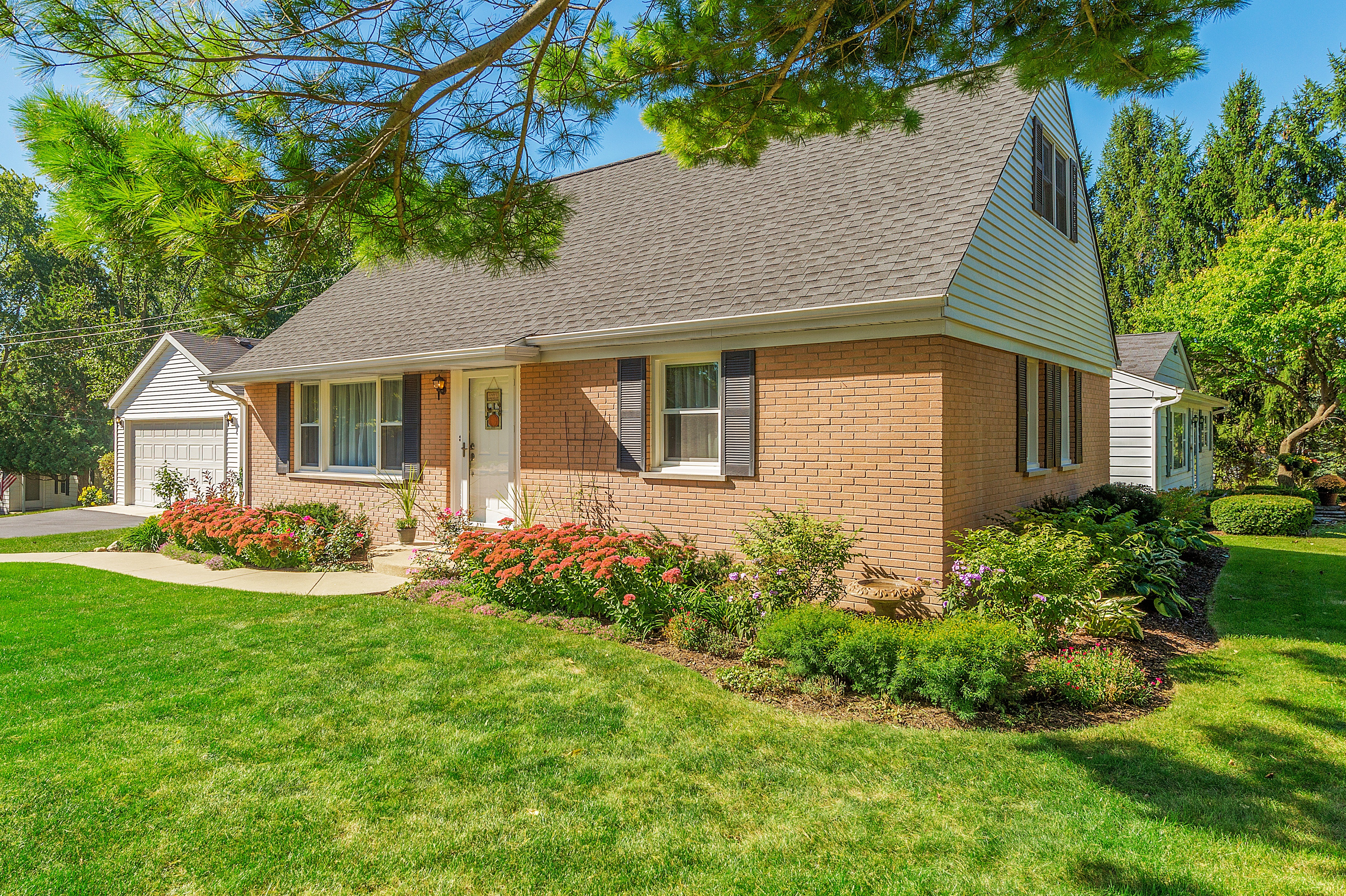
- You can picture the next place. This is the one that matters most. If you have already caught yourself looking at ranch homes or a condo with a balcony, the decision is mostly made.
Why Waiting Too Long Quietly Costs You Options
Here is what nobody tells you. Downsizing is easiest while it is still optional.
When you move by choice, you can list in spring, take the offer you want, and close on a date that lines up with your next home. You can spend a year sorting the basement instead of a weekend. You can be picky about the ranch with the wide doorways and the attached garage, because you are not in a hurry.
When the move is forced, all of that goes away. Families call me after a hospital stay and need the house sold in six weeks. The house has thirty years of belongings in it, nothing has been updated since the kids were small, and there is no time to fix either one. The house still sells. It sells for less, and the whole family feels the difference.
Over more than 500 homes, condos and pieces of land sold or partnered on, I can tell you the sellers who did best were almost always the ones who started the conversation a year before they thought they needed to.
What Downsizing Actually Looks Like in the Chicago Suburbs
Smaller does not have to mean lesser. It usually means different. These are the moves I see most often.
Ranch Homes and Single-Level Living
A well-built ranch is the quiet favorite. Everything on one floor, a two-car garage, and a lot you can still garden if you want to. Older ranches in Lisle, Glen Ellyn and Downers Grove often need updating, but the bones and the lots are excellent. Newer ranch plans show up in the far west and southwest suburbs.
Townhomes and Condos With a Monthly Fee
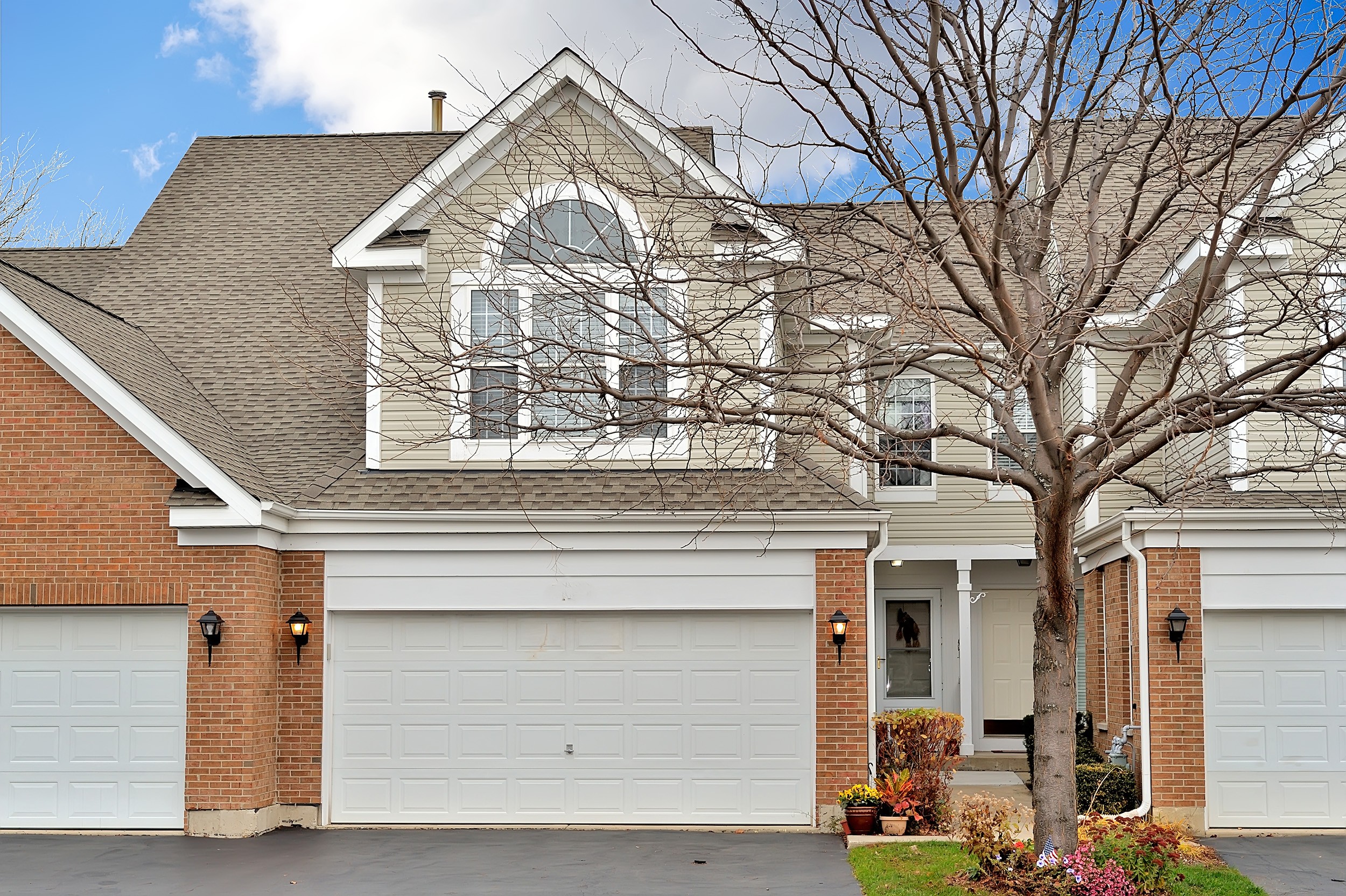
People flinch at the assessment until they add up what they were already spending on lawn care, snow removal, roof reserves and exterior paint. Often it is close to a wash, and the difference is that someone else makes the phone calls. Ask for the reserve study and the last two years of minutes before you buy. A low fee with no reserves is not a bargain.
Age-Restricted and 55+ Communities
These are not what they were twenty years ago. Many are active, social and busy, with a clubhouse, fitness room and a calendar of things to do. If that appeals to you, start with the 55+ homes for sale across the Chicago suburbs and go walk a few. The feel of a community tells you more in one visit than any brochure.
How to Test the Decision Before You Commit
You do not have to decide today. You do have to gather facts.
Start with what your current home is worth right now, not what your neighbor got in 2022. Then get a real number on what your next place would cost, including the assessment, the taxes and the insurance. Subtract what you owe. Now you are looking at an actual decision instead of a worry.
Then do the boring part. Sort one room. Not the whole house, one room. Most people find that the sorting, not the selling, is what they were really dreading. Once a single room is done, the rest stops looking impossible.
If the numbers work and the sorting feels manageable, the next step is a plan for the sale itself. My home selling resources walk through what preparing a longtime family home actually takes, and how much of it is worth doing.
Key Takeaways
- One sign means nothing. Four or five together mean it is time to run real numbers.
- Closed-off rooms, a calendar full of maintenance, and stairs you plan around are the most reliable signals.
- Downsizing on your own timeline gets you a better sale price and a better next home. A forced move gets you neither.
- Compare the monthly assessment against what you already spend on lawn, snow, roof and exterior upkeep before you call it expensive.
- Ask any association for the reserve study and recent meeting minutes before you write an offer.
- Sort one room, not the whole house. The sorting is usually the part people are actually avoiding.
Start With the Number, Not the Boxes
If four or five of those signs sound like your house, the next step isn’t a dumpster. It’s a number. Find out what your home would bring today and what the next place would actually cost, and the decision stops being a worry and turns into arithmetic. You can see what your home is worth in a couple of minutes, and I’m glad to walk through the rest of it whenever you’re ready.