In Brief
Before you compare towns in the Chicago suburbs, settle three things: your commute corridor, the property tax bill you can carry, and the exact school district and attendance area for any address you consider. Illinois property taxes vary from one taxing boundary to the next, so pull the real parcel record instead of trusting a listing estimate. School district lines don’t follow town lines, so verify every address with the district. If you’re relocating with school-age kids, choose the attendance area before you accept a temporary rental, because the rental’s address decides where your children enroll.
Three Decisions Come Before You Pick a Town
People relocating here usually start by comparing towns. Start one step earlier. Settle your commute corridor, get honest about the property tax bill you can carry, and confirm the actual school district boundaries. Those three things eliminate more of the map than anything on a lifestyle list. Once they’re answered, the right towns narrow themselves down to a handful.
I hold the Corporate Mobility Specialist credential, which means I work directly with corporate relocation departments and the benefits packages that come with a transfer. The families who land well are almost always the ones who answered these three questions before they got on a plane. Here’s what to know.
Understand the Property Tax Bill Before You Fall for a House
This is the single biggest adjustment for people moving here from most other states. Illinois property taxes are high, and they’re a permanent part of your monthly payment, not a closing-day detail.
Two homes with the same asking price in two neighboring towns can carry very different annual bills. That’s because your rate is the sum of every taxing body that covers your parcel: the school districts, the municipality, the park district, the library, the fire protection district, the county and the township. Cross one boundary and that stack changes.
So don’t estimate. Before you get serious about any house, pull the actual parcel record. In DuPage County that’s the Supervisor of Assessments and your township assessor. Will and Kane counties have the equivalent offices, and the county treasurer holds the billing history. Look at what the current owner actually paid last year, not a listing estimate.
One more piece catches newcomers. Illinois bills taxes a year in arrears, so your first bill after closing covers a period when someone else owned the home. Sellers credit buyers at closing for their share, which is a real benefit to you. But it means the first bill you receive isn’t a clean picture of your ongoing cost. Also ask about homestead exemptions. Illinois offers a general homestead exemption on your primary residence and additional exemptions for seniors, and in most counties you have to apply rather than receive them automatically.
Let the Commute Choose Your Corridor
The western suburbs are organized around two Metra lines, and which one you live on shapes your daily life more than the house you pick.
The BNSF Line runs from Chicago’s Union Station out through La Grange, Hinsdale, Clarendon Hills, Westmont, Downers Grove, Lisle and Naperville to Aurora. It’s heavily used and generally well regarded by commuters, and towns along it tend to have walkable downtowns built around the station.
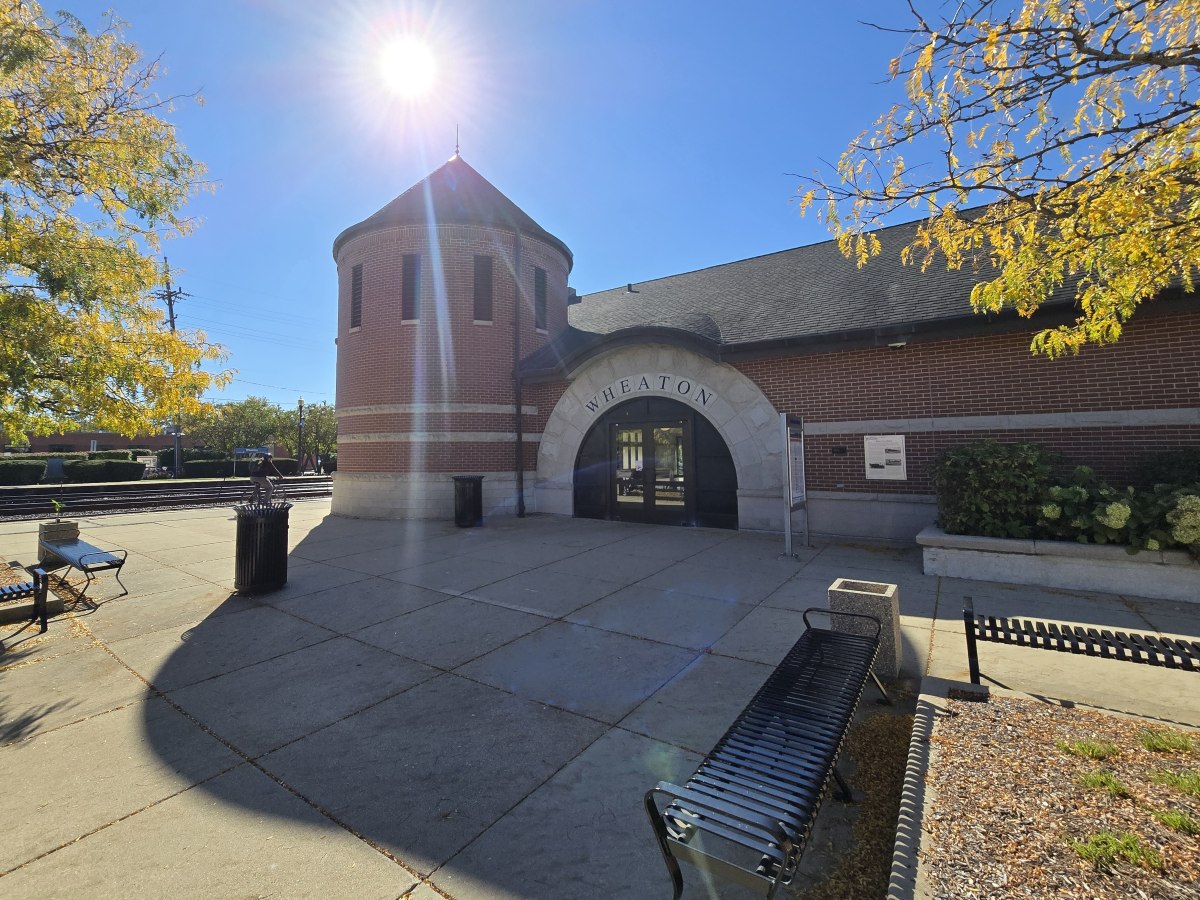
The Union Pacific West Line runs from Ogilvie Transportation Center through Elmhurst, Villa Park, Lombard, Glen Ellyn, Wheaton, Winfield and West Chicago out to Geneva and Elburn. Same idea, different set of downtowns.
If you drive instead, the corridors are I-88, I-355, I-294 and I-290, and where you sit relative to them changes a commute dramatically. Here’s what I tell every relocating client: drive it. Not on a Sunday when you’re in town looking at houses. On a Tuesday at 7:30 in the morning and again at 5:30. A twenty-minute map estimate can be a fifty-minute reality, and no amount of square footage makes that up over ten years.
Air travel matters too. O’Hare is more convenient from the northern and western suburbs, Midway from the southern ones. If you fly weekly for work, that difference is worth real money in your decision.
School District Lines Don’t Follow Town Lines
This surprises nearly everyone, and it’s the most expensive assumption a relocating family can make.
A mailing address that says Naperville doesn’t mean the home is inside the City of Naperville, and it certainly doesn’t tell you which school district serves it. Naperville alone is split between two large districts, and homes with the same postal city can sit in different elementary, middle and high school attendance areas. The same pattern repeats across the western suburbs.
Verify the specific address with the district directly, not with a listing sheet, a school rating site or a mailing address. Districts also redraw attendance boundaries as enrollment shifts, so a boundary that was accurate three years ago may not be accurate now. Ask the district about any boundary study underway before you buy.
What Surprises People Moving Here From Out of State
A handful of things come up in nearly every relocation.
- Attorneys run the closing. Illinois is an attorney-review state. Buyers and sellers each have their own real estate attorney, and there’s a review period after your offer is accepted during which terms can be modified or the contract canceled. If you’re coming from a title-and-escrow state, this is a genuine process difference. Hire an attorney who does residential real estate every day.
- Basements are standard, and so is water management. Most homes here have full basements, and the clay soil holds water. Sump pumps are normal, battery backups are strongly advisable, and grading and downspout placement matter more than they do in drier regions. Take the inspector’s comments about water seriously.
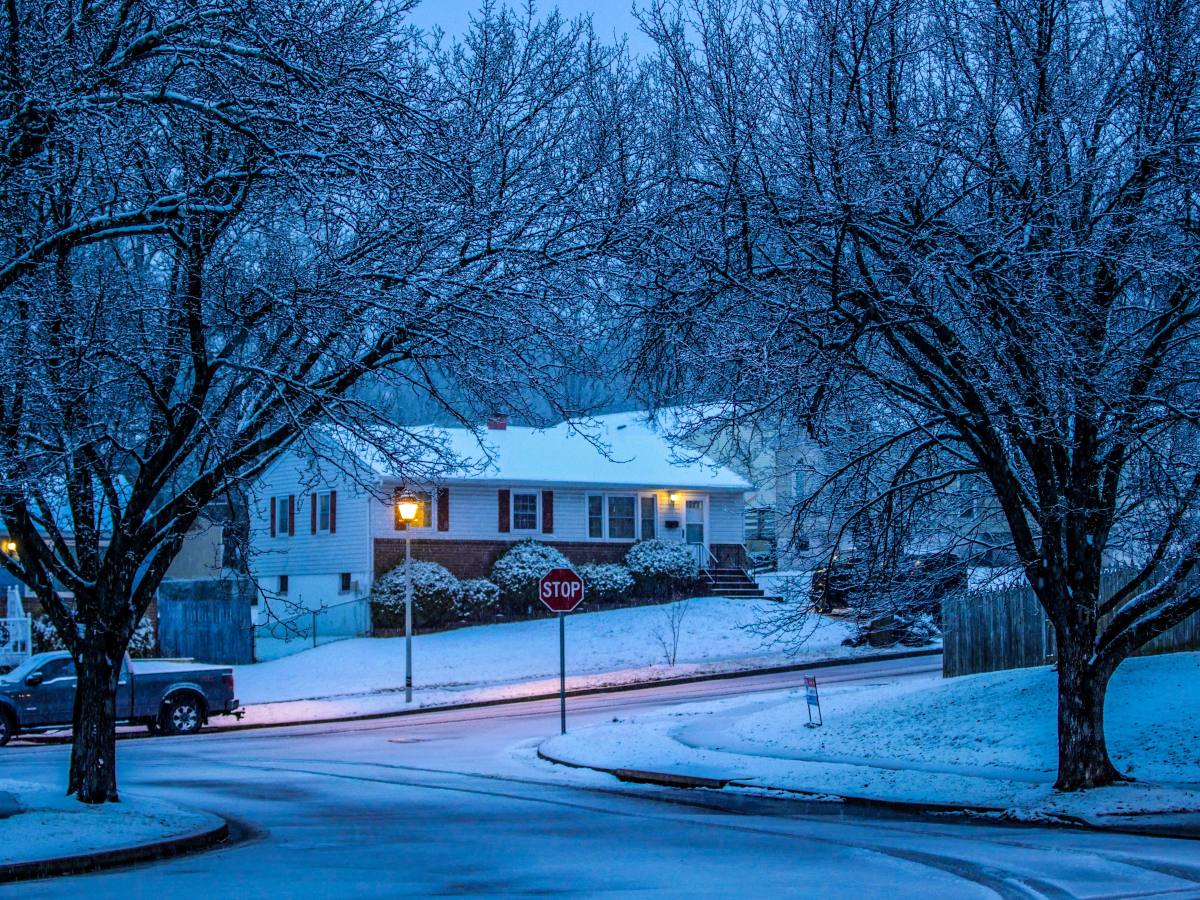
- The winters are a real variable in your house search. Driveway length and slope, garage orientation, snow removal in an association, and how far you walk from a train platform all stop being abstract in January.
- Some addresses are unincorporated. A home just outside a village boundary may have a different set of services, its own well or septic system, and a different tax stack. Confirm whether an address is incorporated before you assume municipal water, sewer and services.
- Radon testing is routine here. Illinois has known radon exposure, disclosure requirements apply to residential sales, and mitigation systems are common and not a red flag.
Think Hard About a Temporary Rental If You Have Kids in School
If your relocation package covers temporary housing, it’s tempting to take it and sort out the rest later. Without school-age kids, that’s often a smart move. A few months of renting lets you learn the commute and the towns on a regular Wednesday instead of a scouting weekend.
With kids in school, it gets tricky fast. Here’s why. Illinois public schools enroll students based on the address where they live, so your children register at the school that serves the rental. Attendance boundaries here are strict. When you buy a couple of months later, your new home is often in a different attendance area, and sometimes a different district or town. That’s a second new school in the same year.
Here’s the trap I see even more often. Families who don’t want to move their kids twice start shopping only inside the rental’s boundaries. That rental was picked for convenience, usually by a housing provider, not by you. Now a short-term lease is choosing your neighborhood for the next ten years.

Families who handle this well usually do one of three things:
- Choose the district and attendance area first, then ask the relocation company to place you inside it. Rentals in a specific boundary can be scarce, so ask early.
- Time the move to the school calendar. One parent starts the job and uses the temporary housing, and the family follows at semester break or over the summer, once the house is bought.
- Buy on the house-hunting trip and time the closing to the start of school. It’s more work up front, but your kids start once, at the school they’ll stay in.
Whichever route you take, stage the house-hunting trip properly. Spend one day on corridors and commutes, one day on towns and downtowns, and only then look at houses. Reversing that order is how people fall in love with a kitchen in a town they wouldn’t have chosen. My team works with transferees and their corporate relocation departments regularly, and you can learn more about how we handle these moves on the Thurm Group page.
Key Takeaways
- Answer the commute, the tax bill and the school district before you shortlist towns. Those three constraints do most of the work of narrowing the map.
- Pull the real parcel record for any home you’re serious about rather than trusting a listing estimate. Illinois bills taxes a year behind, and homestead exemptions usually require an application.
- Decide whether your life runs on the BNSF Line, the Union Pacific West Line or the expressways. Then drive or ride the actual commute on a weekday in both directions before you commit.
- Verify school attendance boundaries with the district for the exact address. Postal city names and district lines don’t match here, and boundaries get redrawn.
- Expect an attorney-driven closing, a basement that needs a working sump pump, and a winter that makes driveway and garage decisions matter.
- With school-age kids, don’t let a temporary rental pick your school. Choose the attendance area first, or time the family’s move to the school calendar.