In Brief
Choosing between a single-family home, a townhome or a condo in the Chicago suburbs comes down to how much of the building you want to be responsible for. A single-family home gives you the most control and all of the upkeep. In a condo, the association maintains the structure and grounds while you handle the inside of your unit. A townhome can be either, depending on whether it is fee simple or legally a condominium, so confirm that from the declaration before you make an offer. For any attached home, review the association's budget, reserves and board minutes, and have your lender check the project early.
The Real Question Is How Much of the Building You Want to Be Responsible For
Strip away the floor plans and this comes down to one decision. With a single-family home, the roof, the furnace, the driveway and the yard are yours, along with the freedom to do what you want with them. With a condo, the association handles the building and you handle the inside of your unit. A townhome can be either one, depending on how it is legally structured, which is the detail buyers get wrong most often.
Pick based on how you actually live, not on what sounds like a better investment. All three hold value in the western suburbs when they are bought well. Start with my home buying resources, then work through the comparisons below.
What You Actually Own in Each One
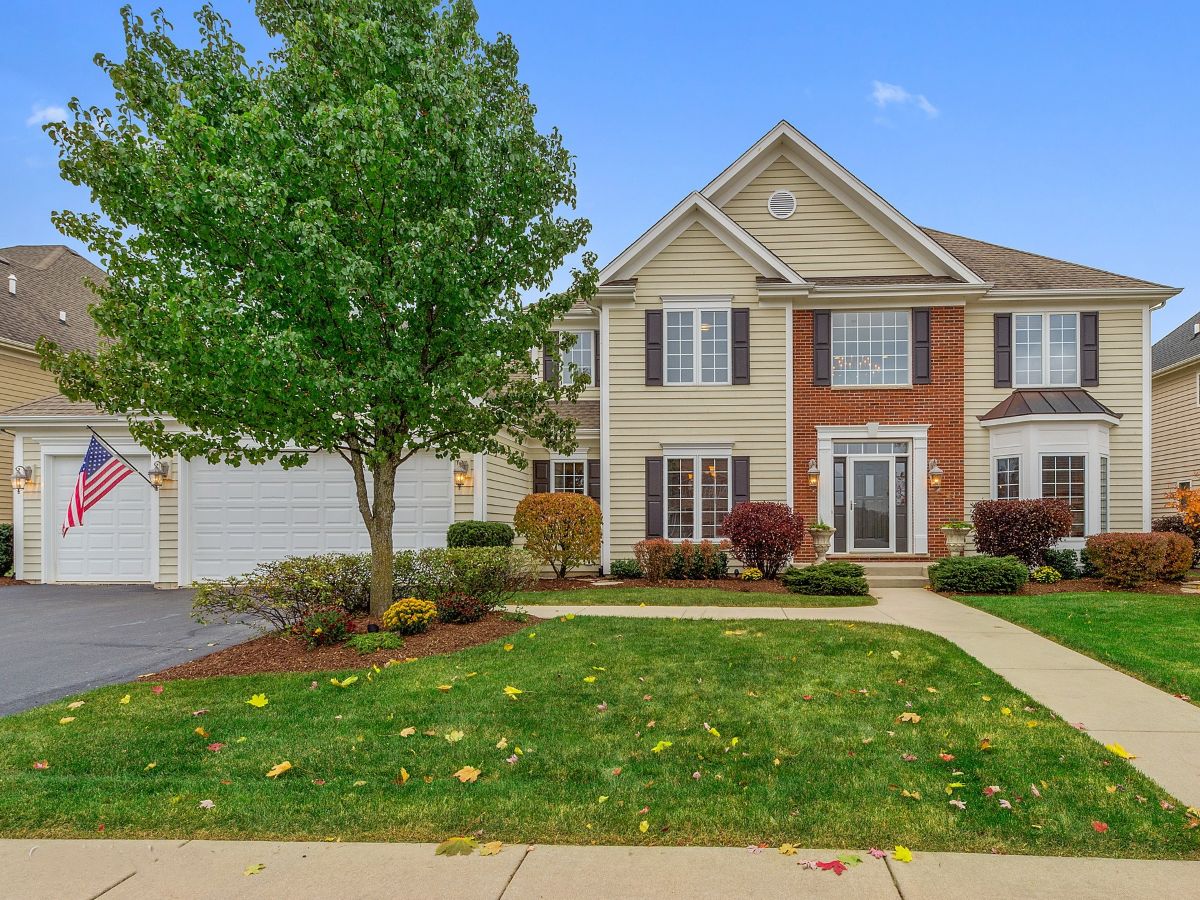
Single-Family Homes
You own the land and the structure outright. Nobody votes on your shutters. Nobody calls a meeting about your fence. You also write every check, and the big ones arrive without warning. A roof, a furnace, a sewer line and a driveway do not care about your timeline.
Many newer single-family subdivisions still carry an association, but it is usually a light one covering entrance landscaping, retention ponds and architectural rules rather than the building itself.
Condominiums
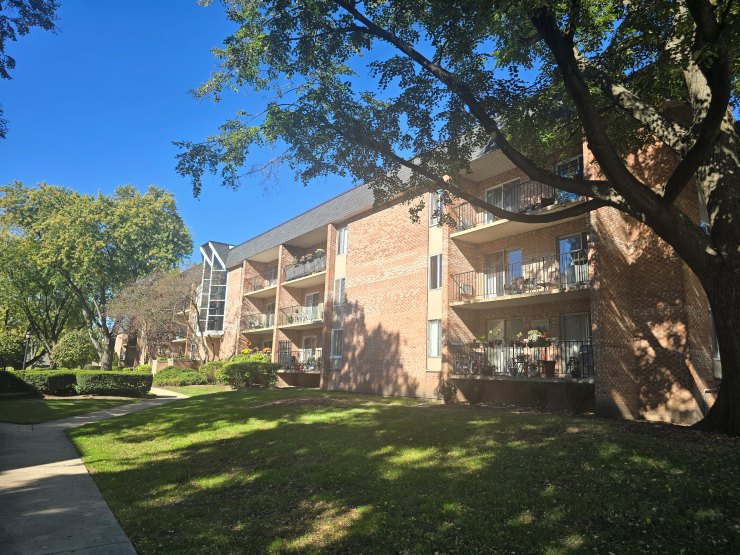
You own the interior of your unit plus an undivided percentage interest in the common elements, and the association owns and maintains the structure, the roof, the exterior and the grounds. Illinois condominium ownership is governed by the Illinois Condominium Property Act, which sets out how associations operate and what they owe you as a buyer and an owner.
The trade is real. You stop worrying about the roof. You also accept that a group of your neighbors decides when the roof gets replaced and what you pay for it.
Townhomes, Which Are Not a Single Category
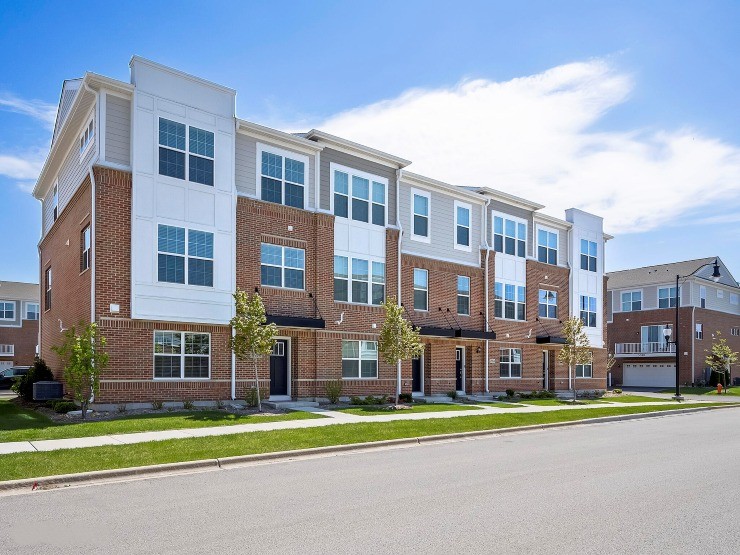
This is the one that confuses people, and it costs buyers money. A townhome is an architectural style, not a form of ownership. Some townhomes are fee simple, meaning you own your unit and the land under it, with an association maintaining the common areas. Others are legally condominiums that happen to look like townhomes.
The difference shows up in what you insure, what you are responsible for, and how the property is financed. Two identical-looking units in Lisle or Downers Grove can be structured completely differently. Ask the question directly and get the answer from the declaration, not from a listing sheet.
What the Monthly Assessment Buys, and What It Hides
Buyers look at the assessment as a cost. Look at it as a comparison instead.
Add up what a single-family homeowner spends on lawn care, snow removal, exterior painting, and the annual reserve you should be setting aside for a roof and siding. For many people the number lands close to what an assessment costs, and the difference is that someone else schedules it. That is a fair trade for a lot of buyers.
The danger is not a high assessment. It is a low one. An association charging less than it needs is not saving you money, it is deferring a bill. When the roof fails and there is nothing in reserve, that arrives as a special assessment, and it can run into five figures per unit with very little notice.
The Documents to Demand Before You Commit
Illinois gives you real leverage here. Under the disclosure provisions of the Condominium Property Act, a buyer is entitled to receive specific association documents on request, including the current budget, the state of reserves, information about pending special assessments, and disclosure of any pending litigation involving the association.
Read them. Then ask for the last two years of board meeting minutes, which are where the real story lives. Minutes tell you about the roof argument, the drainage problem nobody has solved, and whether the board functions. In three decades of walking buyers through association purchases, I’ve seen the same pattern. Buyers who spend an evening with the minutes rarely get surprised. Buyers who skip them often regret it within a year.
How Each One Behaves When You Sell
Single-family homes have the broadest buyer pool in this market. Families, move-up buyers and downsizers all look at them. That breadth is what protects the price when the market softens.
Townhomes sell to a narrower but steady group: first-time buyers, professionals who want space without a yard, and downsizers who want stairs-optional living without a high-rise feel. In the suburbs they tend to be the most liquid of the attached options.
Condos depend almost entirely on the health of the association. A well-run building with funded reserves and no litigation sells normally. A troubled one can sit for months while buyer after buyer walks away at the document review stage. The building’s finances are as much a part of your resale as your kitchen.
If single-level, low-maintenance living is the real goal, also look at the 55+ communities across the Chicago suburbs, where ranch-style attached homes often combine the best features of both.
The Financing Differences Nobody Warns You About
A single-family home is underwritten on you and the house. An attached home is underwritten on you, the unit, and the association.
Lenders review condominium projects before they will lend in them. They look at the share of units that are owner-occupied versus rented, how many owners are behind on assessments, whether one entity owns a large block of the units, whether the budget puts a meaningful share toward reserves, and whether the association is involved in litigation. A project that fails these tests can limit your loan options or require a larger down payment, and FHA financing requires the project to be on an approved list.
This matters even if you pay cash, because it determines who can buy the unit from you later. Ask your lender to review the association questionnaire early, not the week before closing, because that is when this problem is discovered and by then you have already spent money on inspection and appraisal.
How to Actually Decide
Answer three questions honestly.
How do you want to spend a Saturday? If maintaining a property is satisfying, you will be happy in a single-family home. If it is a chore you resent, no amount of square footage will fix that.
How long will you be there? Under five years, the broader buyer pool of a single-family home or a well-located townhome protects you more than a condo will. Longer, and association quality matters more than resale speed.
And what is your tolerance for a surprise bill? A single-family home spreads surprises across years and lets you choose the timing. An association concentrates them and hands you the decision already made.
Key Takeaways
- The choice is really about how much of the building you want to maintain and decide about, not about which one is a better investment.
- A townhome is a style, not an ownership type. Confirm from the declaration whether it is fee simple or a condominium before you write an offer.
- Compare the assessment against what you would spend on lawn, snow, exterior upkeep and a roof reserve before you call it expensive.
- A suspiciously low assessment is a warning sign, not a bargain. Underfunded reserves become special assessments.
- Illinois entitles you to association budget, reserve, special assessment and litigation disclosures. Request them, then read two years of board minutes.
- Lenders underwrite the association as well as you. Have the condo questionnaire reviewed before you pay for an inspection and appraisal.
- Single-family homes carry the widest resale pool; a condo’s resale depends heavily on the association’s financial health.
Frequently Asked Questions
Is a townhome a condo in Illinois?
Sometimes. Townhome describes the architecture, not the legal ownership. Some townhomes are fee simple, where you own the structure and the land beneath it. Others are legally condominiums. The recorded declaration tells you which, and it determines your insurance, your maintenance responsibilities and how the unit is financed.
What do HOA fees actually cover in Chicago suburb communities?
It varies by association, but commonly lawn care, snow removal, common area maintenance, master insurance on the structure in condominium associations, and contributions to reserves for major future repairs. Some include water, trash or cable. Always get the current budget rather than relying on a general description.
What is a special assessment and how do I find out if one is coming?
A special assessment is a one-time charge to owners for a major expense the reserves cannot cover, such as a roof, parking lot or facade repair. Illinois disclosure rules entitle a prospective buyer to information about pending special assessments on request, and recent board meeting minutes usually reveal a coming one well before it is formally approved.
Why would a lender refuse to finance a condo?
Because lenders evaluate the project as well as the borrower. Common disqualifiers include a high share of rented units, significant owner delinquency in assessments, one entity owning too many units, inadequate reserve funding, or pending litigation involving the association. Ask your lender to review the association questionnaire early in the process.
Which holds its value better in the Chicago suburbs?
Single-family homes generally have the widest buyer pool, which supports value when the market slows. Well-located townhomes are typically the most liquid attached option. Condominium values track the health of the association closely, so a building with funded reserves and no litigation behaves very differently from one without.