In Brief
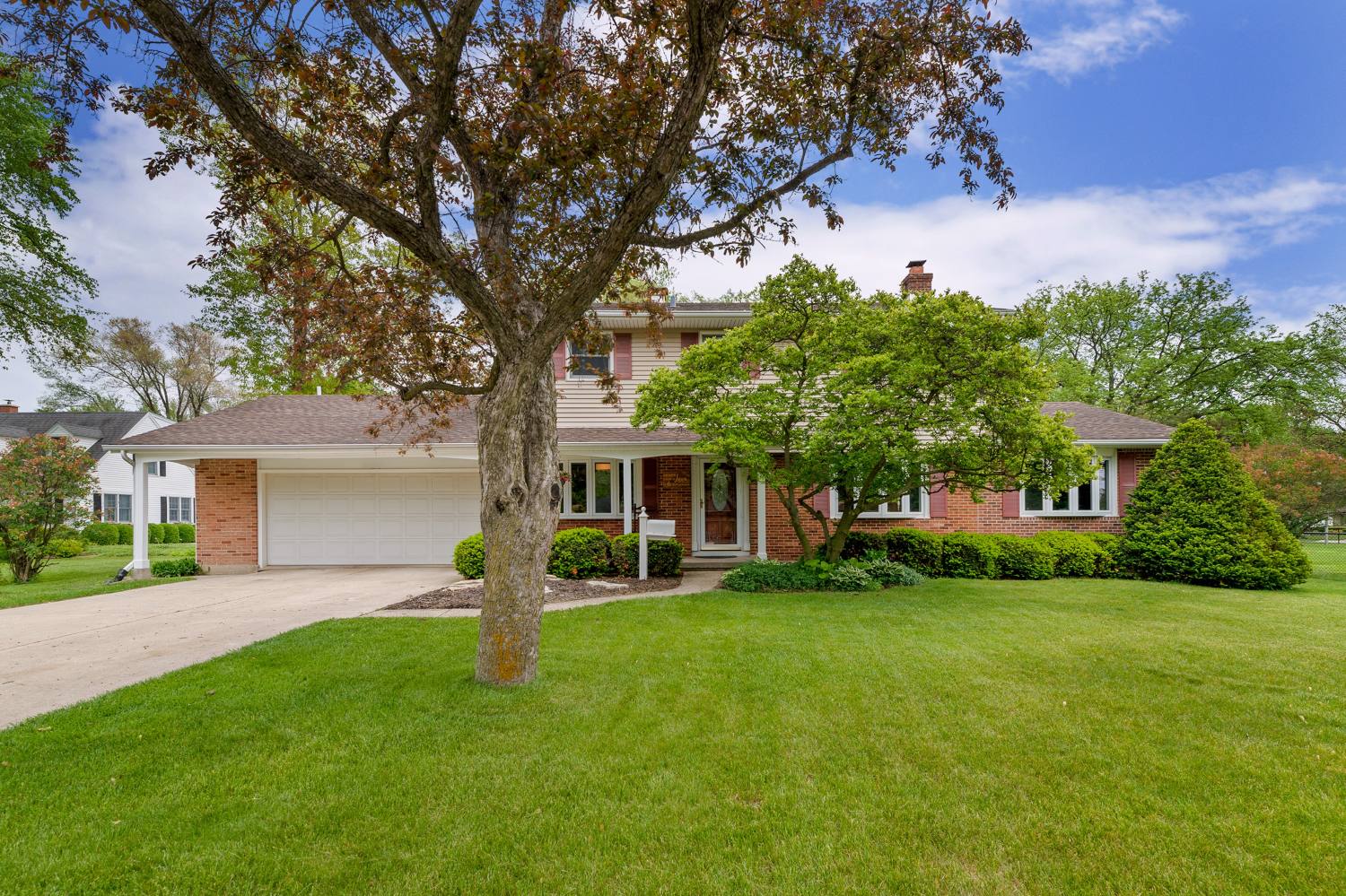
A home in the Chicago suburbs has good bones when the parts that are expensive or impossible to change are sound: the foundation and structure, a layout that works, a lot that drains away from the house, and a location you'd pick again. Dated kitchens, carpet and paint colors don't matter much. Those can be changed. A bad lot, a choppy floor plan or a wet basement usually can't be fixed for a sensible price.
Good Bones Means the Hard Stuff Is Right
"Good bones" gets thrown around a lot at showings. What it really means is that the things that cost the most to fix, or can't be fixed at all, are already in good shape. The things that are cheap and easy to change are the only things wrong.
That's the house I want my buyers looking for when they're willing to do some updating. In older neighborhoods of Naperville, Wheaton and Downers Grove, a lot of the best values are houses that look tired in the listing photos but are solid underneath. The trick is telling the difference between tired and troubled.
Start With What You Can Never Change
You can gut a kitchen. You can't move a house. So start your evaluation outside, before you walk in the front door.
- The lot. Does the ground slope away from the house on all sides? Is the home sitting lower than its neighbors or the street? Water runs downhill, and a low lot is a wet lot.
- The location on the block. Backing to a busy road, facing a commercial building, or sitting next to a utility box all stay with the house forever. So does a quiet cul-de-sac or a yard that backs to open space.
- The orientation. Where the sun hits the main living areas changes how a house feels every single day. You can't add a south-facing window to a room that faces north.
In my years of showing homes, I've found that buyers forgive a lot inside when the outside is right. And they never forgive the outside, no matter how nice the inside is. That matters when you sell, too.
The Structure Should Look Boring
A good foundation doesn't call attention to itself. When you tour, look at the things that tell you how the house has been holding up.
- Basement walls. Hairline cracks in poured concrete are common. Wide cracks, cracks that step through block walls, or walls that bow inward are a different story.
- Water staining. Look low on basement walls, around the sump pit, and under windows. Fresh paint on just the bottom few feet of a wall is worth asking about.
- Floors and doors. Floors that slope noticeably, or doors that won't close and latch, can point to settling.
- The roofline. Stand across the street. The ridge should be straight and the roof should look flat, not wavy.
None of this replaces a professional inspection. Your inspector will dig into all of it after your offer is accepted. But a quick look at showings keeps you from falling for a house with a serious structural problem.
A Floor Plan That Works Is Worth More Than New Countertops
Walk the house the way you'd actually live in it. Come in from the garage with groceries. Walk from the kitchen to the family room. Picture where the kids drop backpacks and where your desk would go.
A good layout has natural flow, enough bedrooms on the same level for the way you live, a kitchen that connects to where people gather, and room to grow. Some layout fixes are reasonable. Opening a wall between a kitchen and dining room is a common project. Others aren't. If a bedroom is too small, the stairs are in the wrong place, or the only full bath is a floor away from the bedrooms, you're living with it.
Ceiling height is another one. Eight-foot ceilings in a 1970s split-level are what they are. You'll never raise them for a reasonable price.
The Big-Ticket Systems Tell You What's Coming
Good bones doesn't mean everything is new. It means you know what you're getting into. Ask about the age of these before you write an offer:
- Roof
- Furnace and air conditioner
- Water heater
- Windows
- Electrical panel and wiring type
- Plumbing supply and drain lines
An older furnace isn't a deal-breaker. It's a budget line. What you want is a house where the expensive replacements are spread out over time, not all due the same year. And keep the roof in mind. Insurance companies are getting stricter about older roofs, even ones that don't leak. Ask your insurance agent before you assume an older roof is fine.
What Doesn't Count Against Good Bones
This is where buyers walk away from great houses. They see oak cabinets, brass light fixtures, wallpaper borders and carpet in the bathroom, and they're out the door.
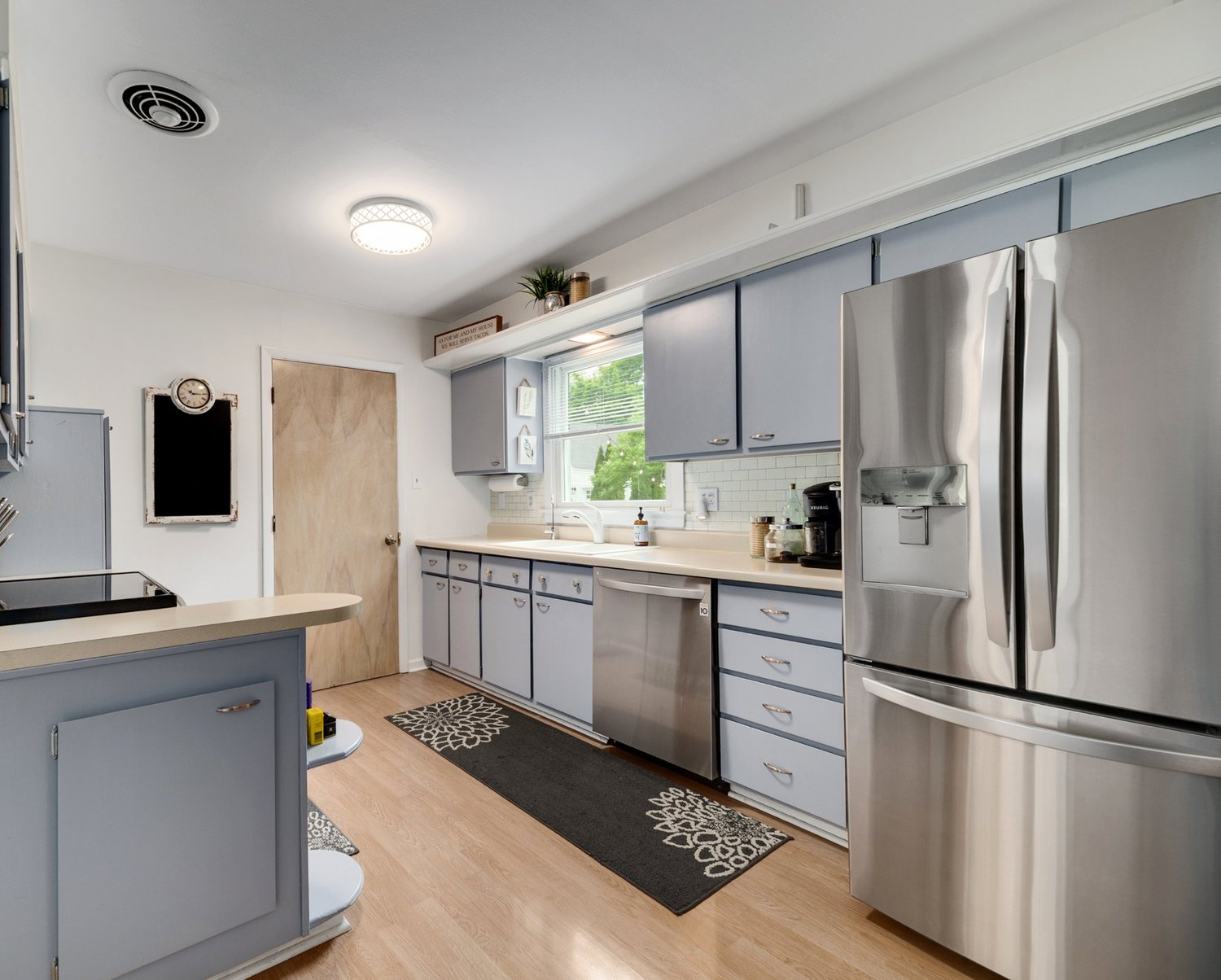
Realistically, those are some of the easiest things in a house to change. Paint, flooring, light fixtures, cabinet hardware and even countertops can be swapped without touching the structure. A dated house that's solid underneath often sells for less than an updated house in the same subdivision. That gap is your opportunity, as long as you budget for it.
I've spent more than three decades watching buyers do this both ways. The ones who bought the ugly house with the great lot and solid structure almost always came out ahead. The ones who bought the pretty house with the wet basement and the awkward floor plan usually wished they'd kept looking.
Bring the Right Questions to Your Showing
Before you tour, read my list of questions to ask before buying in a new-to-you suburb. It covers taxes, district lines and flooding, which tie right into whether the lot is a good one. If you're still deciding on the type of home, my guide to single-family homes, townhomes and condos walks through what you own in each one.
Key Takeaways
- Judge the lot, location and orientation first. You can't change any of them.
- Look for a boring basement: no wide cracks, bowing walls or water stains.
- Walk the floor plan the way you'd live in it. Some layouts can't be fixed for a sensible price.
- Ask the age of the roof, furnace, air conditioner, water heater and windows, and check with your insurance agent on an older roof.
- Don't walk away from dated finishes. Paint, flooring and fixtures are some of the easiest things to change.