In Brief
Before selling a home in the Chicago suburbs, fix anything that could stop a buyer's loan or insurance, the safety items Illinois requires, and any active water problem. Take care of small repairs a handyman can finish in an afternoon, because a buyer's credit request will cost you more. Skip remodels and taste-driven updates, price the home for its condition, and talk to your agent before spending money on any update.
Which Repairs Are Worth Making Before You Sell?
Fix anything that would stop a buyer's loan, a buyer's insurance, or a clean inspection. Fix the small things that cost you less than a buyer would ask for in a credit. Skip upgrades, and skip anything that comes down to taste. That's the whole framework, and it holds up for almost every house in the western suburbs.
The hard part is sorting your own list into those three piles. Sellers overspend on the wrong things all the time. They'll put $30,000 into a kitchen and ignore a $150 missing handrail that an FHA appraiser flags. If you want the full sequence for getting a house ready, start with my Chicagoland seller's pre-listing checklist. This post is about one question: for each item on your list, fix it or leave it?
Pile One: The Repairs You Can't Skip
These are the items that stop a deal, not just dent the price.
Anything a Lender's Appraiser Will Flag
FHA and VA loans come with property standards. Appraisers on those loans look for safety and soundness issues: peeling paint on a home built before 1978, a missing stair handrail, broken windows, exposed wiring, an active roof leak. If they flag it, the loan doesn't close until it's fixed. You'll end up paying for the repair anyway, just on a deadline and at rush prices.
Anything That Makes the Home Hard to Insure
Some insurers won't fully cover an older roof, even one with no leaks, and some won't write a policy on knob-and-tube wiring or certain older electrical panels. No insurance means no mortgage. If you know your house has one of these, get a contractor's opinion now.
Safety Items Required by Illinois Law
Illinois requires working carbon monoxide alarms within 15 feet of every sleeping room under the Carbon Monoxide Alarm Detector Act. Smoke detectors need to work too. These cost next to nothing and show up on every inspection report. Just do them.
Active Water Problems
A wet basement, a failing sump pump, or a downspout dumping water against the foundation will scare buyers more than any dated finish. Water is the number one issue in Chicagoland inspections. Fix the source, keep the receipt, and disclose what happened. Your Illinois disclosure report still has to tell the truth about past problems, and a fix with paperwork reads far better than a question mark.
Pile Two: Cheap Fixes That Beat a Buyer's Credit Request
Here's what nobody tells you. Small items on an inspection report rarely stay small. Depending on the contract, they can turn into a request for repairs or a credit, and even when they don't, a long list of little problems makes a buyer nervous about the whole house.
A dripping faucet, a missing GFCI outlet by the kitchen sink, a loose toilet, a door that won't latch, a torn screen, a furnace that hasn't been serviced in five years. Each one is a small repair. Together, on an inspection report, they tell a buyer the house wasn't looked after, and their request climbs accordingly.
My rule of thumb is simple. If a handyman can knock it out in an afternoon, fix it before you list. You'll spend less than you'd give up in negotiation, and your inspection report will read clean.
Pile Three: What You Can Skip
You don't need to update a working kitchen, replace dated but sound bathrooms, swap out carpet that's worn but clean, or finish the basement. You're choosing finishes for someone you've never met, and a full kitchen or bath remodel won't come back to you dollar for dollar.
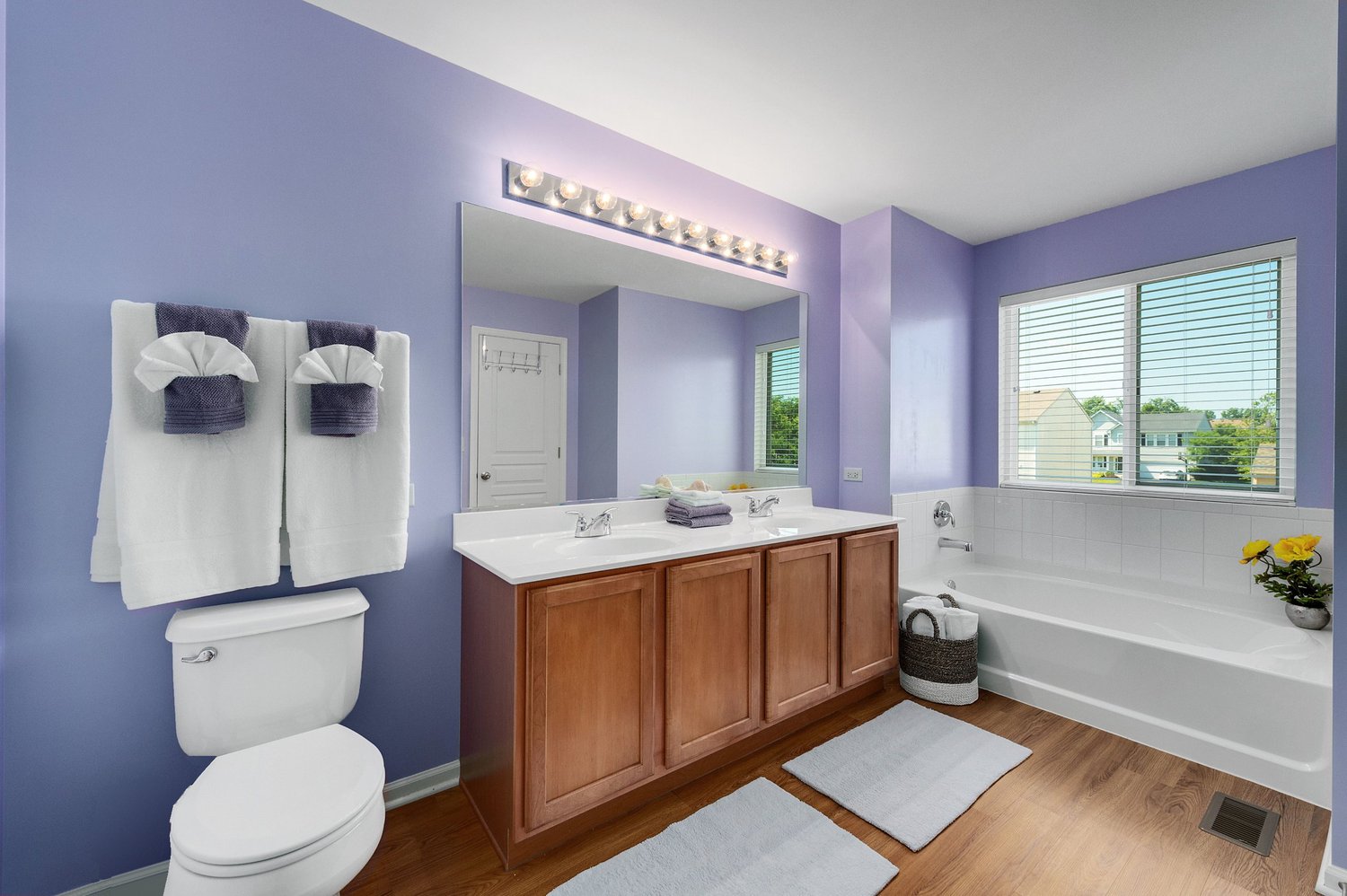
If a room looks tired, think refresh, not remodel. Painted cabinets, new hardware, an updated light fixture, a new faucet, fresh caulk and grout. The bathroom in the photo above went on the market with its original vanity and light bar, and a little staging did the rest. Before you spend money on any update, call me. I'll tell you which ones buyers in your price range will actually notice.
Then price the home for its condition. Buyers in Naperville, Downers Grove, and Wheaton compare every house against what just sold. A dated home priced right sells. A dated home priced like it was updated sits. Look at recently sold listings near you and you'll see it plainly.
When Is a Credit Better Than a Repair?
Sometimes the smart move is to leave a big item alone and offer a credit or adjust the price. An aging furnace or water heater is a good example. If it still works, a buyer may prefer to pick the replacement themselves.
Two cautions. First, lenders cap how much a seller can contribute toward a buyer's costs, and on a conventional loan that cap depends on the buyer's down payment. A credit can only go toward closing costs, not the down payment. Second, a price reduction affects the buyer's loan amount and your net differently than a credit does. Your attorney and your agent should run the numbers before you agree to either.
Should You Get a Pre-Listing Inspection?
Usually not, and I don't recommend one as a routine step. If an inspector turns up something you didn't know about and don't want to fix, it's now something you have to disclose. Work from the list of problems you already know about instead. If the buyer's inspection finds something later, we deal with it then, during attorney review.
Your attorney will also know whether your town has any point-of-sale requirement before a home can transfer, and will handle it as part of the closing. If you're selling as-is, the same rules apply: you still owe honest disclosures, and a buyer will still inspect. My home selling resources cover the rest of the process once repairs are sorted.
Key Takeaways
- Sort every repair into three piles: must fix, cheap fix, and skip.
- Must fix means anything that blocks a buyer's loan, insurance, or safety, plus any active water problem.
- Handle small items before you list. A buyer's credit request is always bigger than your cost.
- Skip remodels and taste-driven updates. Refresh a tired room instead, price the home for its condition, and talk to me before you spend money on any update.
- A credit can beat a repair on a big working item, but lenders cap seller credits, so run the numbers first.
- Skip the pre-listing inspection and work from what you already know. If a buyer's inspection turns something up, it gets handled during attorney review.
Frequently Asked Questions
Do I have to make repairs a buyer asks for in Illinois?
No. What a buyer can ask for depends on the inspection option they chose in the contract, and some options don't allow repair requests at all. When a request does come in, you decide whether to agree, counter or say no, and your attorney walks you through the response. Every offer and every seller's situation is different, so talk to me before you answer.
Do I have to fix the problems I list on my disclosure report?
No. The Illinois Residential Real Property Disclosure Report asks what you know about the home's condition. It doesn't require you to repair anything you list. Answer every question honestly, and ask your attorney if you're not sure how to answer one.
Should I replace an old roof before I sell?
Not automatically, but check the insurance side first. Some insurers won't fully cover an older roof, even one with no leaks or damage. A buyer can't close on a mortgage without homeowners insurance, so an older roof can become a negotiating point even when it's in good shape. Talk to me before you get a quote, and we'll decide whether to replace it, price for it or offer a credit.
Walk Through the House With a Pen, Not a Checkbook
Before you call a single contractor, walk every room and write down what you'd flag if you were buying it. Then sort that list into the three piles. Most sellers find the must-fix pile is shorter than they feared and the skip pile is longer. Once you know what you're fixing, you'll want to know what the house is worth in its current condition, and you can get an estimate of your home's value here.